Replacing a windshield on your very own driveway seems undemanding except you notice how straight forward this is to scratch a fender with a steel tool or smear uncured urethane throughout a freshly special hood. Paint hurt during at-dwelling windshield replacement not often comes from one dramatic mistake. It’s routinely a string of small oversights, like atmosphere a eliminated molding at the roof, dragging a chilly knife beyond a painted pillar, or leaning a brand new glass panel against a dusty area panel. I’ve watched cautious DIYers do everything excellent at the bonding edge of windshield replacement and still spend the next weekend rainy-sanding a scar they didn’t desire to have.
You don’t want a frame store to preserve your paint. You need a plan, the accurate parts, and a number of disciplined habits. This guide walks through that plan with an emphasis on precise-international handling, not idea. It applies even if you’re doing full windshield replacement or a intricate car window glass substitute on a rear hatch. Even if making a decision to hire a cellular automobile glass service or take the motor vehicle to an automobile glass keep, understanding these tips will assist you set up a more secure workspace and ask the top questions.
What the truth is scratches paint all over glass work
Scratches in the main come from three sources. Tools with edges are the obvious offender, but grit is simply as harmful, and sparkling sealants create their very own negative aspects.
Metal-to-paint touch is the headline trouble. Cold knives, long knives, software blades, oscillating twine equipment, and even a few glass handling tools have corners which may glance off painted A-pillars or cowl panels. I’ve viewed a half millimeter of uncovered blade placed a two-inch silver streak in clear coat.
A near moment is grit. Windshields assemble grime at the base of the glass and round the cowling. When you slide painter’s tape or a fender cowl across that dirt, you quite simply rub abrasive into the paint. A towel that touched the flooring can elevate adequate grit to put swirl marks across a hood in a single wipe.
Then there’s adhesive. Modern urethane bonds strongly, that's what you want for safe practices, however uncured beads smear surely. If that smear dries on paint, removing can require plastic razors and solvents. The probability rises when you set the new glass on the physique whilst take a look at becoming, or whilst extra bead squeezes out and not anyone notices for ten minutes.
Understanding the ones 3 causes shapes each and every protective step you are taking. Keep metallic edges off paint, avoid grit out of your running zone, and maintain urethane wherein it belongs.
Prep paintings that will pay off
Good paint safety begins beforehand you cut a single inch of antique urethane. I deal with prep as its own mini challenge with a easy workspace, a quick instrument record, and a number of consumables set aside handiest for paint-reliable use. If you don’t prepare this section, you’ll improvise later with no matter rag or tape you can actually clutch, and that’s when shortcuts scratch.
Give your self house. A tight storage or a steep driveway complicates everything. You prefer room to transport around equally facets of the car, open equally doors with out hitting some thing, and set the outdated and new glass on stands. If space is tight, roll the auto ahead or backward to reposition your working enviornment as essential.
Light issues. Shadows disguise stray grit and small metal shavings. Use a shop light or two at hood level, coming in from the sides. A brilliant beam may also monitor outdated adhesive ridges alongside the pinch weld so you can pare them down cleanly devoid of more passes.
Choose your fender covers intently. Thick cotton or microfiber with a non-slip underside works nice. Stay clear of vinyl-backed covers that seize grit and slide. If you don’t have devoted covers, throw clean shifting blankets over the fenders and hood, then add a excellent layer of microfiber to retailer the blanket lint off the paint.
Tape smarter. Blue painter’s tape is comfortable, yet it might probably nevertheless drag grit. I prefer a much wider automobile overlaying tape on painted pillars and the roof line, at the very least 1.5 inches, layered in two strips to create a sacrificial edge. Leave a small overhang you possibly can carry and exchange as essential. For part safety on sharp body seams, run a foam overlaying tape or door aspect guard alongside the lip. That cushy edge does extra than tape on my own when a instrument slips.
Mind the wind. If you’re out of doors, a small gust can turn a fender cover or carry dirt onto contemporary urethane. Keep covers clipped, overwhelm blanket corners with comfortable foam blocks, and be in a position to pause while a breeze picks up. I’ve realized to attend out a gust instead of speeding a tumbler lift.
Tool choices that cut back risk
The preferable paint insurance policy is a instrument that on no account touches the paint within the first position. Your alternatives here have an impact on how you cut, pry, and deliver each and every a part of the process.
Wire methods with inner handles are model to paint when you path the twine good and use corner protection blocks. They in the reduction of the danger of a blade skating off onto a painted surface. If you opt for a chilly knife, healthy it with a recent, safely sized foot and keep a thin PTFE or UHMW tape on the bottom. That slippery barrier can hinder micro-marring at the cowl or A-pillars.
Oscillating equipment and forte electricity cutters lift the hazard around paint until you've got a consistent hand and right kind shrouds. They accelerate the work on thick urethane, yet any misstep is steeply-priced. If you employ them, mount a defensive sleeve over regional painted edges and shop the shoe resting on glass, now not bodywork.
Glass suction cups with awesome rubber and good handles are crucial. Skipping cups is how folks finally end up tilting the glass at a negative attitude and tapping paint at the way out. Before each and every use, clear the cup faces and the glass to dispose of grit that may fall onto paint later.
Trim resources make a difference too. Nylon or fiberglass-reinforced pry methods are gentler than metallic selections on painted moldings and clips. Keep several spare equipment on hand in view that worn edges fray and begin scratching.
Finally, commit a blade. Have one utility knife for urethane and a separate one for tape and plastic. Once a blade nicks metallic or hits a tough surface, it profits burrs that will mar paint even by means of tape.
Cleaning the level, not simply the glass
People blank the glass and omit the encompassing paint. That’s backward. Clean from paint to glass, no longer the opposite way around. I commence with a rinse to knock free mud around the windshield body, cowl, and the first 12 inches of hood and fenders. Use a low-tension hose or a pump sprayer, then gently pat dry with a clean microfiber. No round scrubbing at this stage. You’re no longer sharpening, you’re lifting grit.
After the rinse, blow out particles from the base of the windshield and the corners of the cowl with compressed air or a hand blower. Angle the airflow far from the cabin and engine bay so that you don’t blast grit into gaps you’ll achieve into later.
Only as soon as the surrounding paint is clear do I detail the glass. Degrease with an alcohol-centered cleaner so suction cups grip safely. It looks trivial, yet a slipping cup can turn into a paint strike in half a second.
As for towels, treat them like sterile resources. If a towel touches the floor, it’s done for the day. If it feels gritty, retire it straight. Keep a separate set of microfibers only for paint-adjacent use and save them in a bin with a lid.
Taping technique that truthfully protects
A single strip of tape on an A-pillar received’t forestall a blade’s corner. Tape protects most of the time in opposition to glancing touches, no longer direct hits. Use it as component to layered renovation, not your accomplished plan.
Run two layers of large tape along every single A-pillar, the roof part above the glass, and the 1st six inches of the cover. Add a foam part within the corners where the tool is most probably to pivot. Cover the roof antenna base if it’s close the paintings part, and add a small patch over washer nozzles. When utilising a cord instrument, vicinity small PTFE nook blocks or do-it-yourself equivalents lower from thick plastic at the wire go out elements to hinder the wire from biting into paint.
Renew tape because it lifts. If you peel returned tape and it crackles or looks dusty, update it. Old adhesive can smear on paint and create extra cleanup paintings.
Removing exterior trim without scarring
Most present day windshields have reveal moldings, clips, or weatherstrips that meet painted surfaces. The temptation is to pry sharply and pa them unfastened. Paint damage many times happens right here in view that a pry instrument slips off the clip and drags. Patience beats force.
Warm the neighborhood a little with a warmness gun on low or a hair dryer to calm down the molding, maintaining the warmth shifting and at a reliable distance. Slide a nylon wedge alongside the molding to locate the clip place, then pry against glass or molding, not paint. If a clip resists, find the genuine liberate element. Vehicle forums and service files generally instruct in which a tiny tab needs to be depressed other than pried. When a clip breaks, don’t reuse it. A free molding can vibrate and rub paint later.
Store eliminated portions on a easy blanket or grasp them as a result of padded hooks. Don’t lay lengthy moldings throughout the roof or fenders. Even comfortable plastic can lure dirt and leave rub marks if it shifts.
Cutting the vintage urethane with out kissing the paint
Whether you chop with a chilly knife, long knife, or cord, your body position and reduce trail figure your chance. Stand so your slip route doesn’t target at paint. With a cold knife, set the foot firmly in opposition t glass and pull with a constant, shallow angle, maintaining the blade within the glass perimeter. If the knife starts off to experience up, end and reset. With a protracted knife or fiber line, keep away from steep angles on the upper corners wherein the glass curves inward. Short strokes lower the likelihood of a surprising start.
When due to cutting wire, direction it so it exits closer to the cabin rather then in the direction of painted pillars anytime one can. Use corner blocks or a small plastic tube as a safeguard the place the cord crosses a painted part. Keep pressure constant and pause after you consider a trap. Jerky pulls fray the twine and lead to unpredictable releases.
If the motor vehicle has a decent cowl gap and also you’re tempted to sneak the instrument along the painted side, upload a doubled tape barrier plus a thin plastic strip as a sacrificial go with the flow. Replace that plastic the instant it alternatives up grit.
Handling the glass with no touching paint
The historic glass wants to pivot towards the hood as it comes free, fairly if merely one user is lifting. Two laborers with suction cups make this safer, yet you continue to desire a path cleared. A pair of padded stands put 3 to four toes in the front of the car or truck give you a predictable landing spot. Don’t bring the glass around the auto. Set it down immediate, examine for final urethane strings, and trim those at the stand, not over the paint.
When bringing the new glass in, run a dry suit without urethane. This confirms clearance close the headliner, rearview bracket, and corners. Dry suits are where humans bump paint. Move slowly, maintain the underside aspect reasonably ahead, and have a helper call out clearance at the A-pillars. If the car’s hood sits high relative to the cowl, region a foam block or folded microfiber on the hood’s most efficient side in case of a low pivot.
Never lean the recent windshield in opposition to a painted panel, even temporarily. If space is tight, lean it in opposition t a wall with foam spacers at the contact issues.
Primers, urethane, and the paint they are able to stain
Modern adhesives are forgiving if you use the proper primers and retailer them wherein they belong. Glass primer is designed for fri. bands and from time to time pinchweld touch-united statesafter scuffing. It can stain paint if it drips. Keep a small cotton swab or foam brush for tight areas, and tape the encompassing paint until now priming close to edges. If a drip lands on paint, wipe immediately with the recommended solvent from the urethane components’s records sheet, now not a random household cleanser.
Pinchweld primer belongs on all set metal or naked spots after previous urethane is trimmed to a skinny base. It doesn’t belong on extensive painted surfaces. Only touch up small nicks wherein paint lifted with the old glass, and observe the curing time. Rushing this step results in deficient adhesion and later leaks.
When gunning urethane, preserve a consistent V bead and ward off top spots close the corners which could squeeze out. If you do get squeeze-out on paint, leave it by myself until eventually it gels barely, then lower it away with a plastic razor at a shallow attitude. Smearing sparkling urethane solely spreads the cleanup.
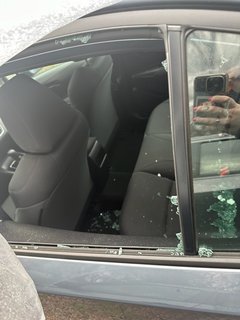
The quiet paint killer: debris lower than covers
Fender covers deliver a false feel of safeguard. A single grain of sand less than a shifting cowl becomes a sanding block. Keep covers secure. Don’t slide them to reach a instrument. Lift and reposition. If you desire to access a door jamb or fuse panel mid-activity, eliminate the quilt in place of tugging it. Check the underside of covers for debris periodically. If you spot grit, switch them for blank ones prior to persevering with.
I retailer a small hand vac or tack material within reach to opt for up stray shavings after trimming urethane or clips. Those shavings love to hide along the brink of painter’s tape and later migrate beneath a duvet.
Managing climate and temperature
Temperature and humidity impact urethane cure, however additionally they have an affect on paint insurance plan. In less warm climate, tapes lose adhesion and covers slide. In warm weather, tape adhesive can soften and move to color. Use automotive-grade overlaying tape rated for the prerequisites you’re working in. If the panel feels scorching to the touch, cool it with a color or fan ahead of taping.
Wind complicates the entirety. If you suppose grit hitting your pores and skin, it’s hitting the paint too. I once paused a task for 20 minutes although a gusty front moved as a result of. That extend saved the conclude on a black hood. Glass work is simply not a race, enormously around tender paint.
When to name a seasoned and what to ask
DIY might be pleasurable, but targeted trucks make at-house windshield alternative a larger paint chance: luxury trims with satin or matte paint, classic autos with skinny unmarried-degree paint, and ultra-modern SUVs with gigantic, painted A-pillar moldings. If your car or truck falls in a single of those classes, examine a mobilephone automobile glass carrier it truly is secure operating on sensitive finishes. Ask what they use for paint coverage, whether they appoint wire systems as opposed to knives, and how they manage primer close to painted edges. A respected auto glass save will stroll you by means of their paint-nontoxic job and tutor you their fender covers and corner guards without hesitation.
There’s additionally the defense angle. ADAS cameras and sensors recurrently require calibration after windshield alternative. If you plan to mix the glass paintings with sensor calibration, coordinating with a store can shop time and reduce handling of the hot windshield.
Aftercare that preserves both bond and finish
Once the glass is decided, you still have options to defend the paint. Avoid washing the automobile for no less than 24 to forty eight hours, based at the urethane’s cure spec. Water can creep into seams and raise airborne dirt and dust that scratches after you later wipe it away. Keep the auto on level flooring so excess stress isn’t put on the urethane bead whereas it therapies. Close doorways lightly, crack a window to minimize cabin force, and do now not tape the glass to maintain it in area until the producer instructs it. If you should use retention tape for a problematical molding, decide upon low-tack tape and get rid of it as soon because the initial medication time passes to preclude adhesive transfer on paint.
Inspect the sides the following day with desirable pale. If you find a faint urethane movie on paint, care for it early. A plastic razor and a small amount of the urethane manufacturer’s really helpful purifier will do away with it without harming the finish. Don’t achieve for a widespread adhesive remover without trying out it in an inconspicuous subject. Some mighty solvents cloud delicate transparent coats, exceptionally on repainted panels.
A brief, purposeful listing for the day of the job
- Clean surrounding paint first, then glass, and maintain a separate set of microfibers for paint-best use. Double-layer vast tape on A-pillars, roof facet, and cover, with foam aspect guards at corners the place instruments would pivot. Use twine structures or shielded knives, plus suction cups, and degree padded stands in the front of the automobile sooner than slicing. Lift, don’t slide, fender covers and blankets; not ever set moldings or glass on painted panels. Control squeeze-out and drips; tackle any urethane on paint with plastic razors after partial gel, employing the adhesive maker’s cleaner.
Common blunders and how to get well devoid of making things worse
A blade nicked the A-pillar due to tape. Stop and mark the spot with a small piece of easy tape so that you don’t neglect it. Finish the glass paintings, then check the nick. If it’s in transparent coat in simple terms, you'll be able to polish it out with a excellent compound. If you notice coloration or metal, you’ll want contact-up paint and, preferably, a rust-inhibiting primer for any exposed steel. Don’t leave uncovered steel less than a molding to rust quietly.
You detect a protracted smear of urethane on the hood. Resist the urge to wipe. Let it set until it turns from modern to somewhat boring and rubbery, then lift it with a plastic razor in shallow passes. Follow with the urethane enterprise’s cleaner on a tender cloth, dabbing as opposed to scrubbing.
Tape adhesive left residue on the roof. Use a paint-nontoxic adhesive remover or isopropyl alcohol diluted with water. Work slowly and re-rainy the place rather then rubbing tough. If you really feel grit, cease and re-clean the house until now carrying on with.
A molding vibrates towards paint after reassembly. Remove it and exchange the clip. A rattling molding will sooner or later mar the paint line. Adding foam tape as a band-guide traps airborne dirt and dust and makes a grinding strip.
Dust settled on the bead in the course of install. This isn’t only a beauty concern. Dust can compromise adhesion. If contamination is minor and still contemporary, some urethanes mean you can dispose of and re-gun that area. Check the product sheet. If in doubt, seek advice a expert. Better to redo a bead than focus on a leak or a bond failure.
Where auto glass restore and paint safe practices overlap
Glass work isn’t normally a full windshield replacement. Chip maintenance and small vehicle glass restoration jobs still threat paint if appliance rests on the hood or if a technician drags hoses or strength cords throughout the fenders. For vehicle window restoration on doorways, defend the beltline and the painted upper frame prior to fishing round for shattered glass. Vacuum nozzles and keep-vac hoses scuff paint without difficulty. Wrap the nozzle part with felt tape and store the hose off the panel with a forearm brace.
Rear glass jobs oftentimes contain defroster connections close painted hatch panels. Insulate your iron or crimp tool and lay a microfiber over painted surfaces across the workspace. The identical tape and canopy field applies, simply scaled to extraordinary panels.
When you're employed with a telephone automobile glass provider, set up the driveway. Sweep the zone, offer a easy desk or stands, and offer a sheltered spot out of direct solar or wind. The ultimate technicians convey their possess paint protection, yet a blank, managed environment makes their job less demanding and reduces threat.
A be aware on elements that contact paint
Not all microfibers are identical. The plush, edgeless towels you use for closing wipe-downs take care of paint superior than thin store rags. Keep them folded so that you continually know which quadrant is refreshing. Once a towel touches urethane, discard it or relegate it to non-paint projects.
Tape collection concerns extra than manufacturer loyalty. Automotive refinish tapes hang nicely devoid of etching or leaving heavy residue. Household covering tapes can both elevate too without difficulty or bake on in sun.
Plastic razors, now not metal, for paint. If you don’t have plastic razors, minimize a clear plastic spreader to a slender edge and use that. A slow, shallow attitude works more effective than pressure.
Solvents are closing hotel tools. Follow the urethane formulation’s technical sheet for prompt cleaners. If you will have to scan, scan on a hidden quarter and go slowly. Strong solvents clear up one obstacle and create 3 more when they stupid clean coat.
Experience tells: the rhythm of a protected install
The most secure installs I’ve visible share a rhythm. Prep the gap. Stage protections. Cut intentionally. Remove, then pause. Clean the pinchweld. Dry-healthy, then pause. Prime, gun, set, and investigate the fringe. That cadence prevents rushed moves that bump paint. Silence is helping. Turn off loud tune. You’ll hear the delicate creak of a molding that’s about to scrape or the hiss Summerville car window glass replacement of a bead that’s squeezing extra than it need to.
Respect small fatigue. After trimming old urethane alongside the pinch weld, palms get drained. That’s whilst a knife slips. Take a two-minute ruin, drink water, and reset your body position sooner than the final passes.
The payoff: glass seated, paint unmarked
A easy, smash-free deploy saves more than the appearance of your automobile. Paint restoration expenses upward push rapid, even for small fixes. A common scuff can take a day to desirable, at the same time a deeper scratch can mean a physique store visit and a invoice that overwhelms any reductions from DIY. With just a few defensive behavior and considerate tools, you could possibly address windshield alternative or automotive window glass replacement devoid of leaving a trace on the finish.
If at any level you sense the process outgrowing your setup, there’s no shame in calling a pro. Ask for a technician who makes use of paint-reliable practices, prefers twine structures wherein appropriate, and can paintings with your staged protections in place of brushing them aside. Quality automobile glass replacement is greater than a decent bead and a established glass line. It’s additionally the story your paint tells afterward, which should be no story at all.